27 Jul 2026
African Tourism industry stakeholders moved from high-level advocacy to a robust, unified “action-first” framework during a landmark virtual consultative session held today. The strategic summit, which connected continental leaders and private sector giants, marks a decisive turning point in how Africa will market its heritage and manage its tourism value chain under the African Union Agenda 2063. This engagement is a critical shift toward “Tourism Diplomacy,” where the sector is no longer viewed as a peripheral service industry but as a primary driver of the African Union’s Agenda 2063, particularly in fostering economic self-reliance and continental peace.
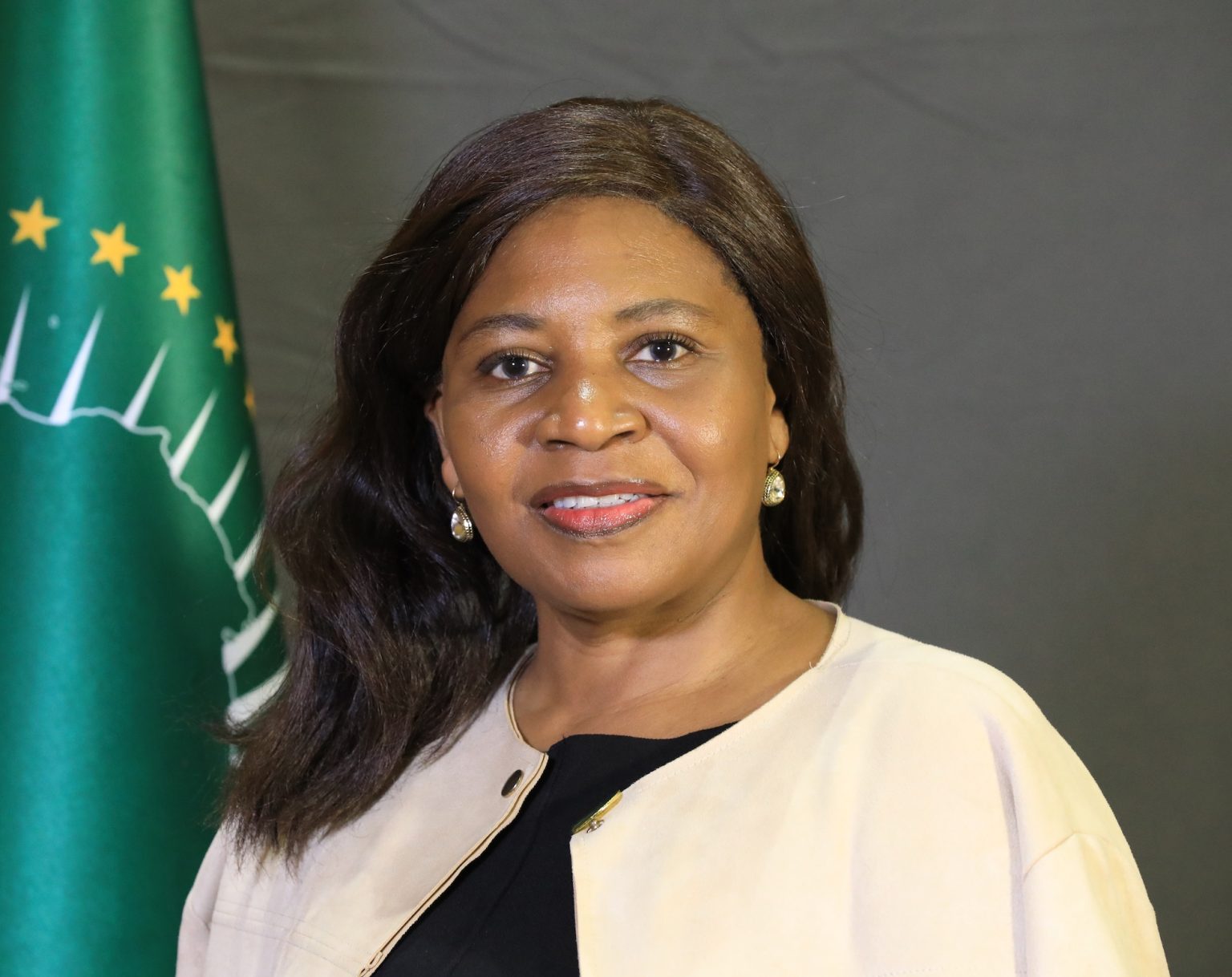
The meeting was headlined by H.E. Mrs. Francisca Tatchouop Belobe, AU Commissioner for Economic Development, Trade, Tourism, Industry, and Minerals (ETTIM), alongside Hon. Mustapha Ouabbas, who both championed a mandate of radical collaboration. Commissioner Tatchouop Belobe noted that while frameworks like the Single African Air Transport Market (SAATM) are foundational, the industry now requires mechanical synergy to harmonize aviation taxes and policy. With departure seats in Africa projected to hit 182.4 million in 2026—a 13.7% increase from 2025—the priority is ensuring this capacity is accessible to every African citizen.
The Commissioner emphasized that policy harmonization must move at the speed of business to capture the projected $1.5 trillion in AfCFTA-led trade growth, transforming Africa from a collection of fragmented markets into a single, formidable economic bloc. “One Voice, One Africa” African Tourism Board’s 2026 vision stands as the definitive political manifesto for continental economic liberation to dismantle the legacy of market fragmentation. This unified strategy is a prerequisite for commanding global market prices and protecting local SMEs from being sidelined by global conglomerates. Hon. Ncube stated that for too long, the continent has competed against itself, emphasizing that the data is clear: in 2025, regional travel drove over 77% of all arrivals in leading hubs.
The ATB’s commitment is to turn this regional mobility into a primary economic engine, ensuring that tourism revenue circulates within African borders to empower local communities and build a resilient, shock-proof continental economy. Tourism is the most potent tool for continental identity and peace-building, serving as a diplomatic vanguard to solidify the sovereign bonds of our 54 nations as championed by Ambassador Mariam Ally Lesian, President of the Pan-Africa Tourism Board (PATBOARD). Based in Tanzania and leading efforts to promote sustainable investment, Ambassador Lesian provided the ideological backbone of the session, emphasizing that cultural diplomacy remains the bedrock of the African Renaissance.
She highlighted the importance of global partnerships, including current FIFA initiatives, to elevate Africa’s visibility while remaining strictly aligned with the sovereignty goals of Agenda 2063. Ambassador Lesian noted that by leveraging Africa’s “soft power”—its arts, music, and heritage—the continent can attract investment that respects local traditions while fostering modernization. She argued that cultural tourism acts as a bridge for the African Diaspora, creating a “Reverse Brain Drain” where heritage drives intellectual and financial investment back into the continent. The virtual delegation agreed on several core pillars to be implemented over the next fiscal year, including a 15% intra-Africa travel growth target and a push for digital sovereignty through a unified portal for African tourism SMEs.
This digital pivot is designed to reclaim the 20-30% commission leakages currently lost to non-African booking platforms. Furthermore, the leaders discussed the integration of the “Tourism Intelligence Unit,” a proposed data-sharing body that would allow member states to track real-time travel trends and security protocols. The group also committed to pushing tourism’s total contribution toward 10.3% of continental GDP by the end of the decade and aligning with the AU’s 2026 focus on water security by introducing “Continental Eco-Stamps” for hotels. These initiatives aim to bridge the gap between policy and practice, ensuring that the tourism value chain is inclusive of youth and women-led enterprises. Analytically, this synergy between the ATB and the African Union Commission represents a sophisticated pivot toward the Second Ten-Year Implementation Plan (2024–2033) of Agenda 2063. Tourism is now being repositioned as the “connective tissue” for continental prosperity and inclusive growth. By targeting a reduction in capital flight and harmonizing cross-border standards, the ATB is facilitating the AU’s mandate of economic sovereignty.
If Africa can successfully move tourists across borders without friction, it proves the feasibility of the wider AfCFTA vision, making tourism the vanguard of continental integration. The session concluded with the announcement of the 2026 Africa Tourism Leadership Forum, which will serve as the first audit point for these ambitious continental goals.
No comments yet — be the first to share your thoughts.