26 Jul 2026
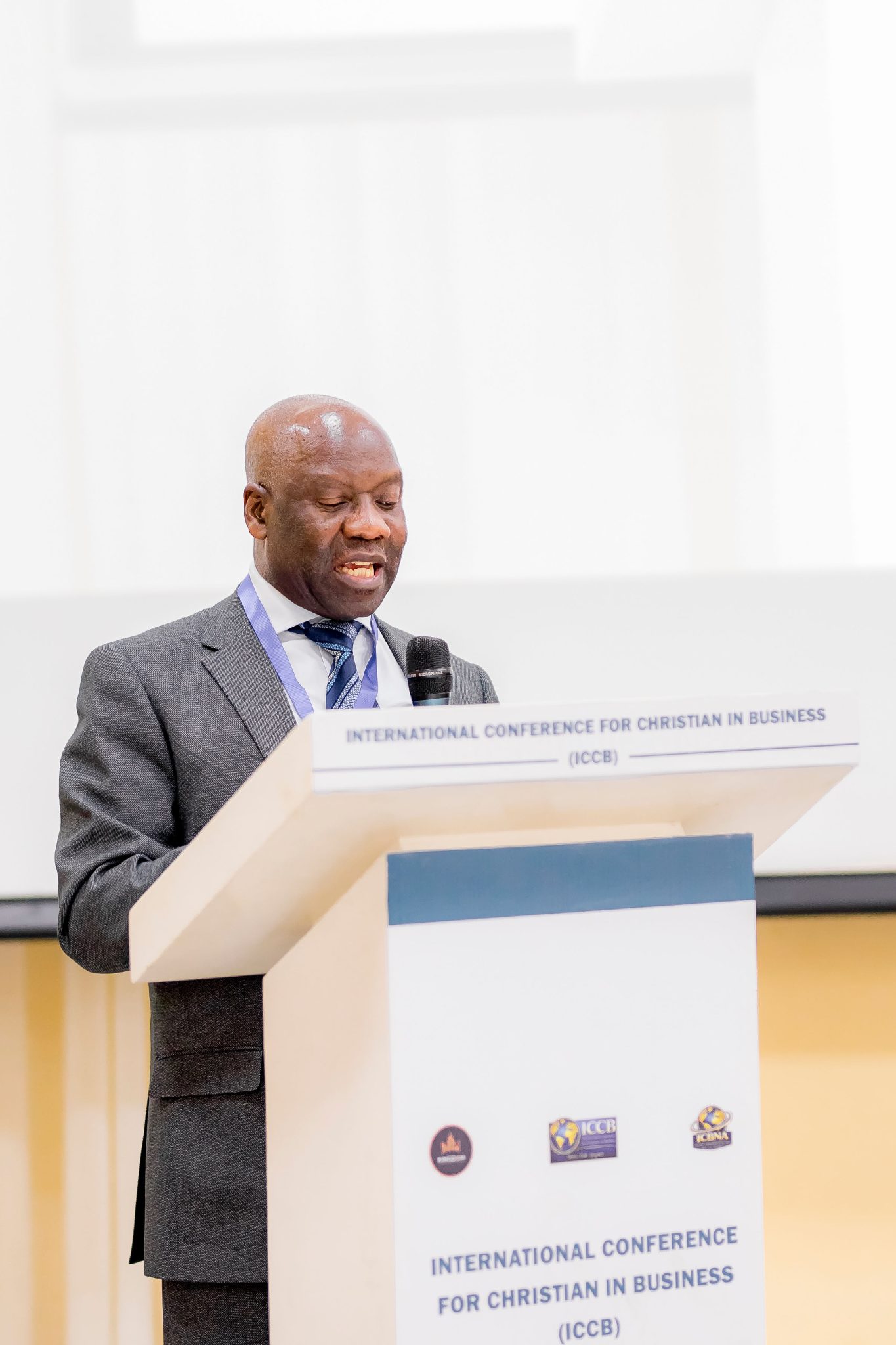
KIGALI, RWANDA – “Spiritual racketeering” is the predatory “cancer” currently devaluing the Gospel and undermining the global credibility of the African continent, declared Hon. Dr. Cuthbert Simphiwe Ncube, Chairman of the African Tourism Board, in a landmark keynote address that signaled a fundamental shift in the continent’s economic and moral landscape. Speaking at the Hill Top Hotel before a high-level assembly including His Excellency Slumber Tsogwane and Apostle Dr. Celestin Ngirabakunzi, Dr. Ncube delivered a stinging rebuke of unethical leadership while outlining a bold vision for “Kingdom Entrepreneurship.”
He moved beyond traditional business rhetoric to demand a radical transformation of the African marketplace, framed against the backdrop of a continent where tourism and trade are reaching historic milestones. Dr. Ncube framed the struggle for African prosperity as a dual responsibility of faith and industry, asserting that excellence in the marketplace is the highest form of worship. This call for professional dominance arrives as the African tourism sector enters a period of sustained growth; international arrivals in key regional hubs have surged by over 17% recently, reclaiming and exceeding pre-pandemic levels. He rejected the acceptance of mediocrity within Christian-led enterprises, calling instead for a caliber of leadership so dominant in skill and integrity that it commands global respect.
This vision of a “sustainable network” is presented not merely as a social convenience but as a strategic “highway” of trade and peace designed to connect the continent’s vast, untapped wealth. The Chairman leveled a fierce indictment against “spiritual mercenaries” who have abandoned the Great Commission in favor of a “Great Collection,” building private empires on the backs of the vulnerable. Dr. Ncube characterized the sale of “miracles” to the desperate as an economic heist that destroys the trust necessary for honest entrepreneurs to secure investment. He emphasized that for Africa to thrive, the marketplace must be a space of tangible value, noting that tourism alone now contributes nearly 9% to some national GDPs and sustains millions of jobs—a reality that cannot be substituted by “miracle” speculation or “spiritual gambling.”
To rectify this systemic exploitation, Dr. Ncube established a clear jurisdictional line: the Church must return to its mandate of transformation and the healing of souls, while the Marketplace must become the theater for generating wealth through innovation, tourism, and technology. He issued a “Backbone Mandate,” declaring that Kingdom Entrepreneurs must serve as the financial engine of the mission rather than its parasites. This economic sovereignty requires a shift away from seeking external validation and toward a rigorous prioritization of African-to-African trade, aligning with the resilience of intra-African trade which recently grew by 7.2%, reaching approximately US$192 billion under the push for AfCFTA implementation.
Concluding his address with the “Kigali Challenge,” Dr. Ncube called for a move away from the mere exchange of business cards toward a binding covenant of professional excellence. He demanded that the delegates resolve to solve Africa’s structural challenges—logistics, infrastructure, and tourism—through honest labor rather than exploiting the faith of its people. By holding one another accountable to a “scam-free” standard where a handshake carries the weight of a contract, Dr. Ncube envisions a self-sustaining African economy where the marketplace stands as a testament to God’s excellence and a primary driver of the continent’s 21st-century renaissance.
No comments yet — be the first to share your thoughts.